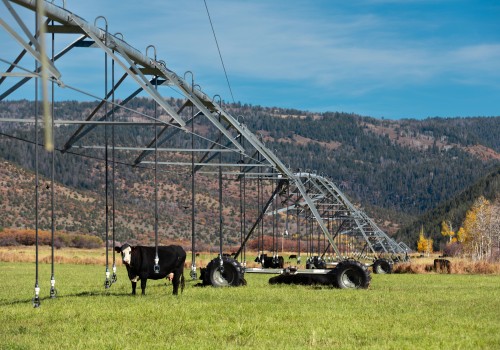
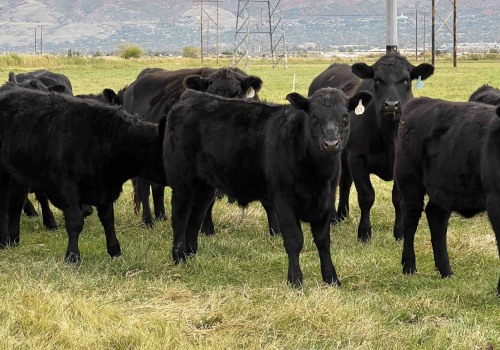
Reliable infrastructure is essential for the success and sustainability of farms in Salt Lake County, where agricultural operations depend on consistent access to water, power, and transportation systems. From irrigation networks to storage facilities, these foundational elements enable farmers to maintain productivity and meet the demands of their crops and livestock. Without dependable infrastructure, even the most well-managed farms can face challenges that disrupt operations and reduce yields. By investing in strong and efficient systems, farmers can create a stable environment that supports long-term growth and resilience.
Ensuring Efficient Water Management
Water is one of the most critical resources for farming, making irrigation and drainage systems a top priority. Properly designed irrigation ensures that crops receive the right amount of water at the right time, while effective drainage prevents waterlogging and soil erosion. In regions like Salt Lake County, where weather conditions can vary, maintaining these systems is essential for protecting both crops and soil health. Access to services such as reliable rooter service near West Haven helps address issues like clogged or damaged pipes, ensuring that water flows efficiently throughout the farm. This level of maintenance is crucial for sustaining healthy and productive agricultural operations.
Maintaining Equipment and Facility Functionality
Farm operations rely heavily on equipment and facilities that must function reliably to support daily tasks. Storage buildings, processing areas, and mechanical systems all play a role in ensuring that harvested products are handled efficiently. Any disruption in these systems can lead to delays, spoilage, or increased costs. Regular maintenance and timely repairs help keep these components in optimal condition, allowing farmers to focus on their core activities. Reliable infrastructure ensures that every stage of the agricultural process, from planting to distribution, operates smoothly.
Supporting Transportation and Market Access
Transportation infrastructure is another key factor in the success of Salt Lake County farms. Roads, loading areas, and access points must be well-maintained to facilitate the movement of goods to markets and distribution centers. Efficient transportation systems reduce delays and help preserve the quality of perishable products. By ensuring that infrastructure supports easy access, farmers can expand their reach and connect with a broader customer base. This connectivity is vital for maintaining competitiveness in the agricultural industry.
Enhancing Sustainability and Environmental Stewardship
Reliable infrastructure also contributes to sustainable farming practices by promoting efficient resource use and minimizing environmental impact. Well-maintained systems reduce waste, conserve water, and support soil health, all of which are essential for long-term sustainability. Implementing modern technologies and infrastructure improvements allows farmers to adapt to changing environmental conditions while maintaining productivity. These efforts not only benefit individual farms but also contribute to the overall health of the local ecosystem.
Building Resilient Agricultural Communities
Ultimately, reliable infrastructure is the foundation of resilient agricultural communities in Salt Lake County. By ensuring that essential systems are in place and functioning effectively, farmers can overcome challenges and continue to thrive. Strong infrastructure supports productivity, enhances efficiency, and enables sustainable practices, all of which are critical for the future of agriculture in the region. Through ongoing investment and maintenance, farms can remain reliable sources of food and economic stability, highlighting the importance of infrastructure in supporting both individual operations and the broader community.